Tuesday, June 25, 2013

Little Trip to the Big Trees


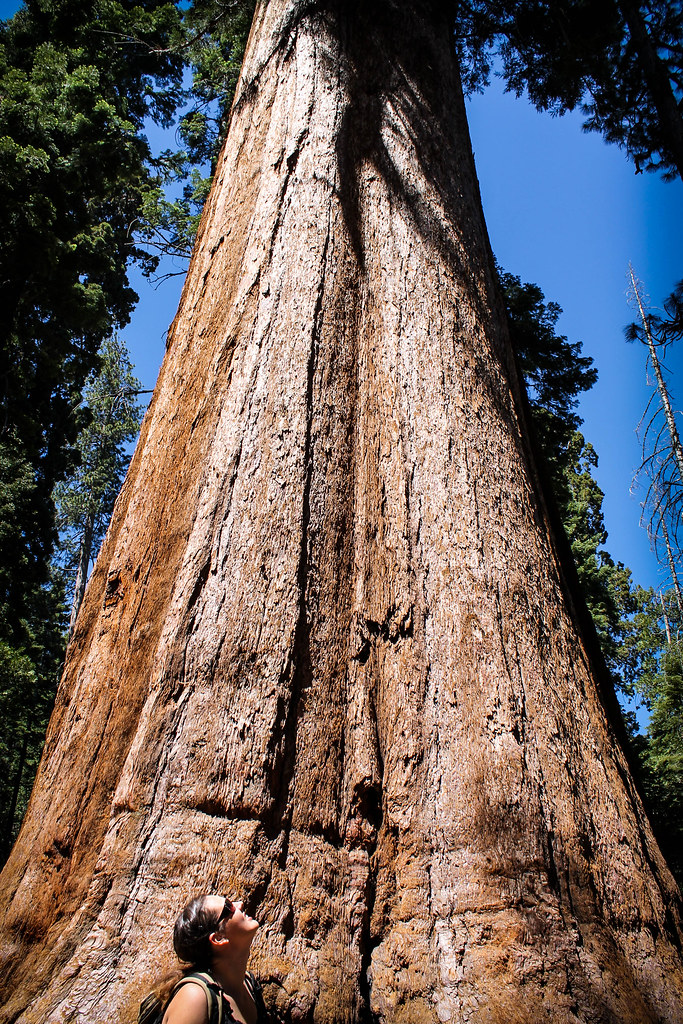
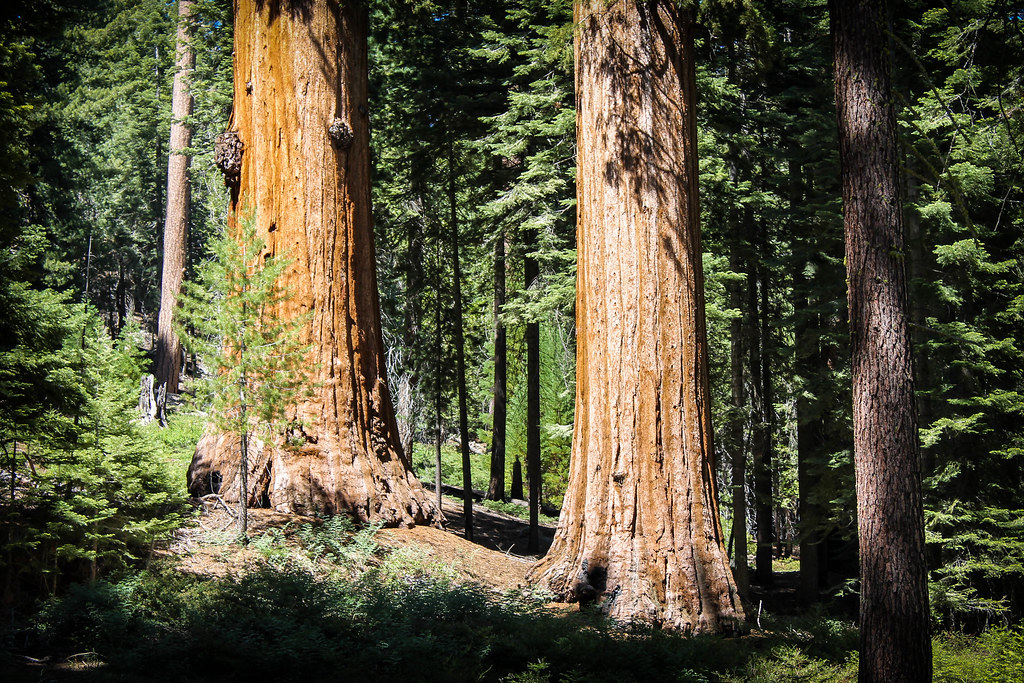
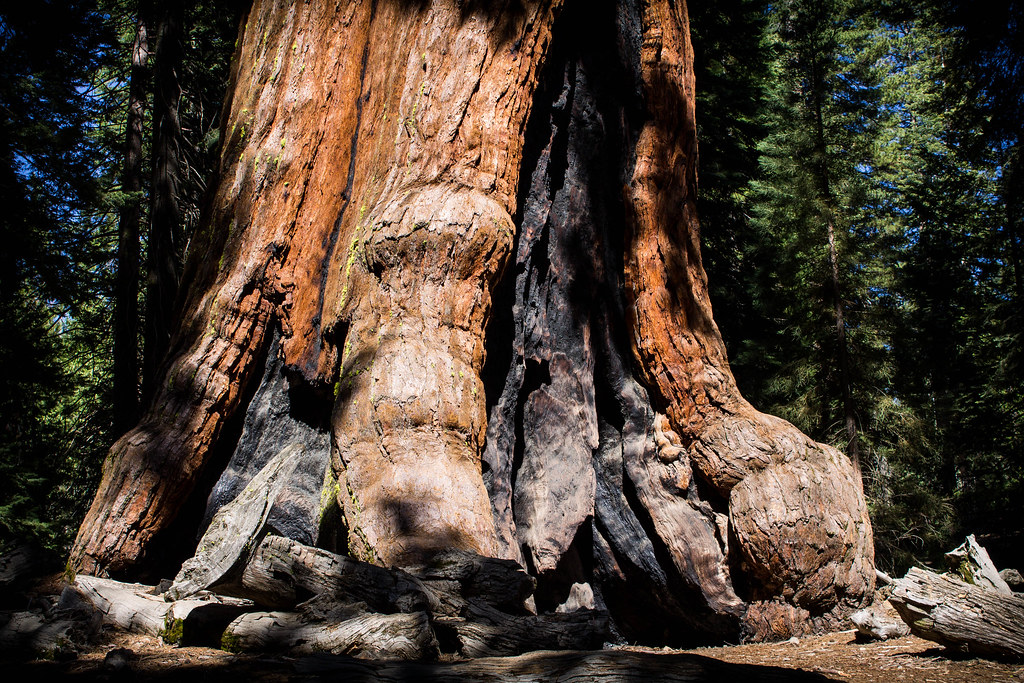
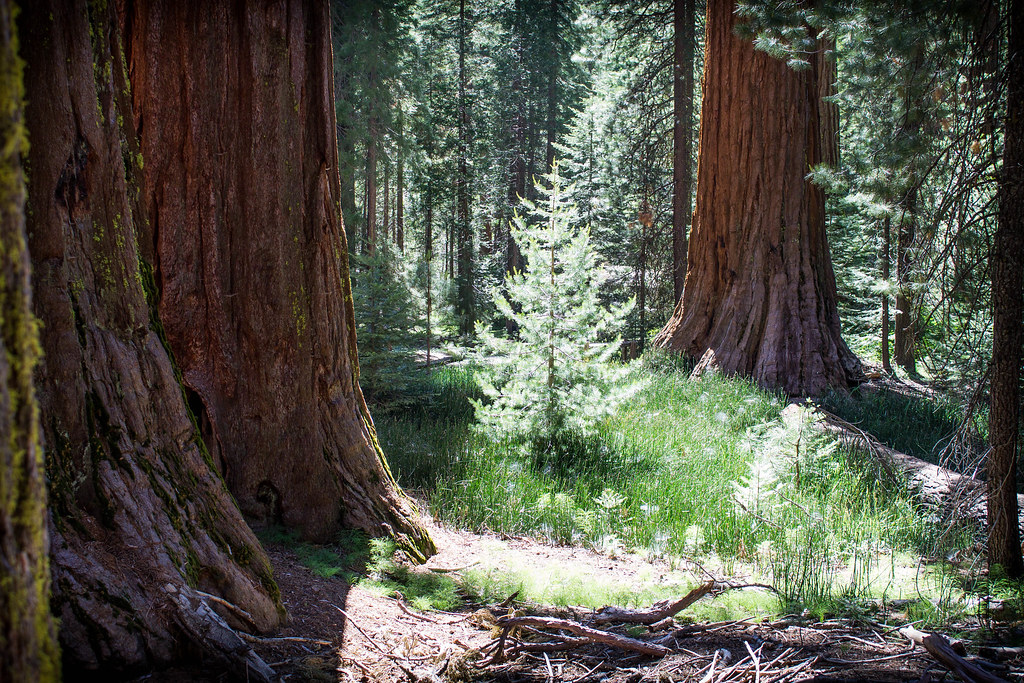
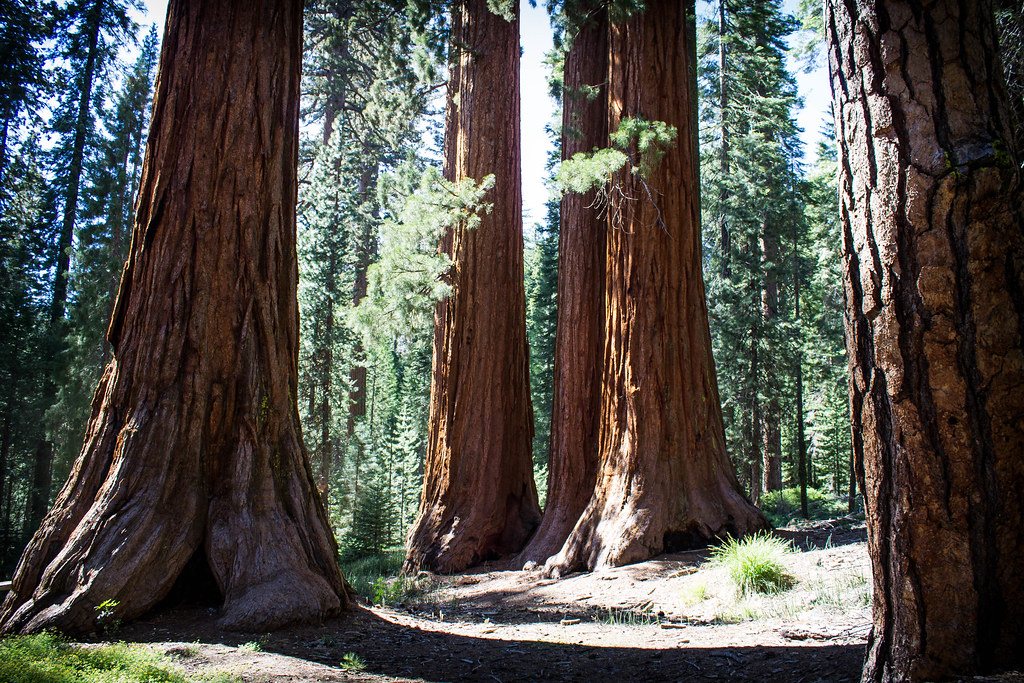
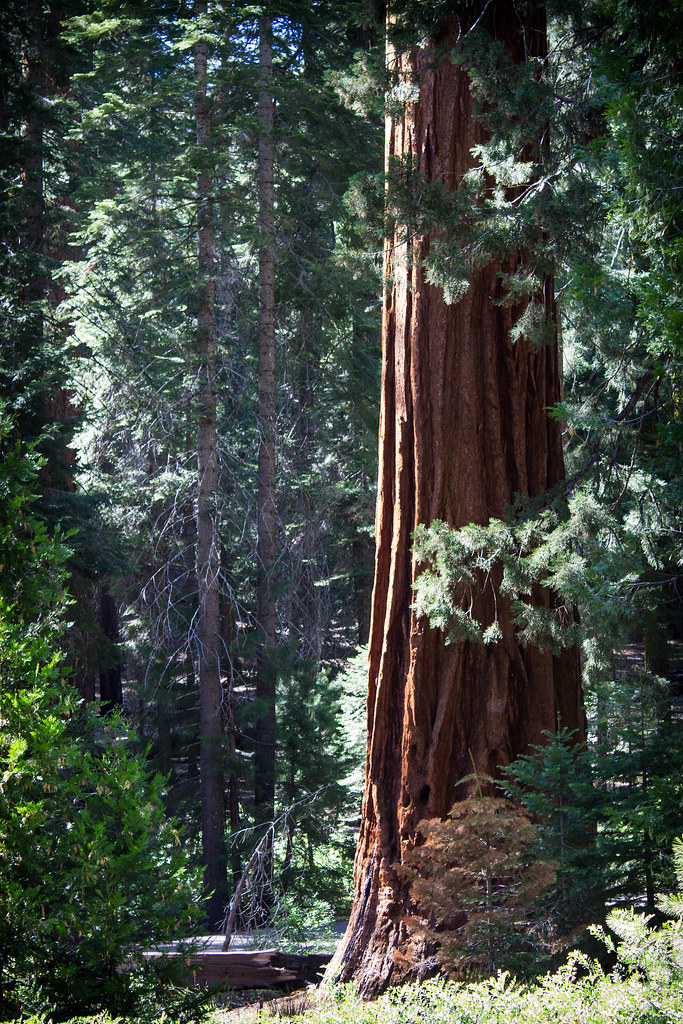
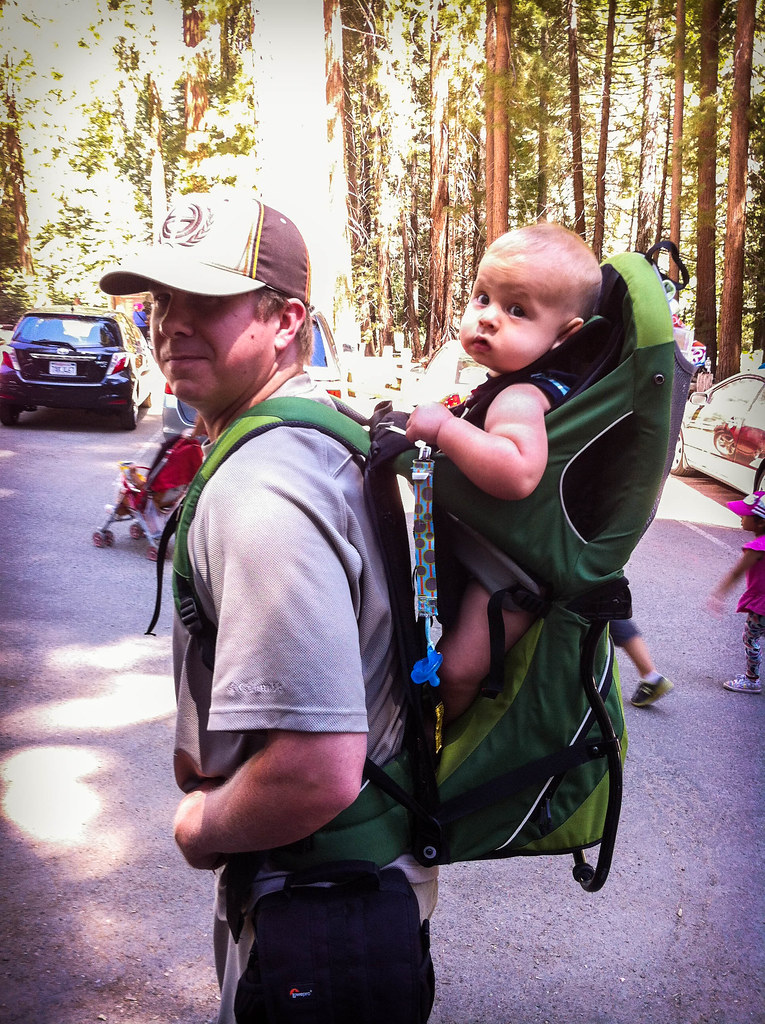
Last weekend the wife and I took our boy up to the Mariposa Grove of Giant Sequoias in Yosemite. This grove of big trees was one of the first set aside for reservation from the timber industry. President Lincoln first reserved it and Yosemite Valley, and gave it over to the state to protect. Later on in 1906, the state turned it back over to the federal government, and with convincing from John Muir, President Roosevelt designated the grove and the valley into a much larger Yosemite National Park.
 
President Roosevelt visited the grove and other areas of the park with John Muir as a guide in 1903. They stayed the night in the grove, sleeping under piles of army blankets, and conversing over the campfire. Roosevelt had this to say about the experience:
 
"The night was clear, and in the darkening isles of the great sequoia grove, the majestic trunks, beautiful in color and symetry, rose around us like the pilars of the mightiest cathedral that ever was concieved, even by the fervor of the Middle Ages. Hermit thrushes sang beautifully in the evening."
 
My wife and I had never been to this grove, so we joined the throngs of fellow tourists, and entered Yosemite.


Early on in Muir's travels through the Sierra, he would write letters to friends to describe what he has witnessed. From a letter to Mrs. Ezra Carr which Muir wrote with the sap of a Sequoia:
 
"Do behold the King in his glory, King Sequoia! Behold! Behold! seems all I can say Some time ago I left all for Sequoia and have been and am at his feet; fasting and praying for light, for is he not the greatest light in the woods, in the world? Where are such columns of sunshine, tangible, accessible, terrestrialised? Well may I fast, not from bread, but from business, book-making, duty-going, and other trifles, and great is my reward already for tbe manly, freely sacrifice. What giant truths since coming to Gigantea, what magnificent clusters of Sequoiac becauses.
The King tree and I have sworn eternal love—sworn it without swearing, and I’ve taken the sacrament with Douglas squirrel, drunk Sequoia wine, Sequoia blood, and with its rosy purple drops I am writing this woody gospel letter.
I never before knew the virtue of Sequoia juice. Seen with sunbeams in it, its color is the most royal of all royal purples. No wonder the Indians instinctively drink it for they know not what. I wish I were so drunk and Sequoical that I could preach the green brown woods to all the juiceless world, descending from this divine wilderness like a John the Baptist, eating Douglas squirrels and wild honey or wild anything, crying, Repent, for the Kingdom of Sequoia is at hand!"
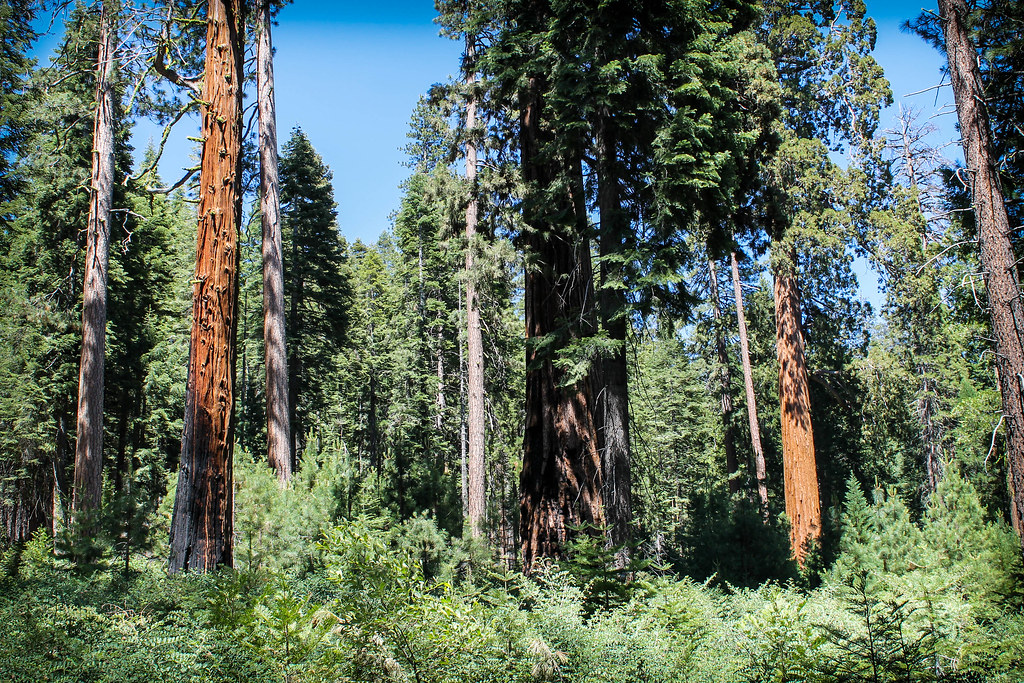


While Muir's earlier letter may have been a little over the top poetically, later in 1912 he wrote "The Yosemite". In it, he describes the giants a little more technically. Here is an excerpt:
 
 
"Between the heavy pine and silver fir zones towers the Big Tree (Sequoia gigantea), the king of all the conifers in the world, “the noblest of the noble race.”
So harmonious and finely balanced are even the mightiest of these monarchs in all their proportions that there is never anything overgrown or monstrous about them. Seeing them for the first time you are more impressed with their beauty than their size, their grandeur being in great part invisible; but sooner or later it becomes manifest to the loving eye, stealing slowly on the senses like the grandeur of Niagara or of the Yosemite Domes. When you approach them and walk around them you begin to wonder at their colossal size and try to measure them. They bulge considerably at the base, but not more than is required for beauty and safety and the only reason that this bulging seems in some cases excessive is that only a comparatively small section is seen in near views. One that I measured in the Kings River forest was twenty-five feet in diameter at the ground and ten feet in diameter 220 feet above the ground showing the fineness of the taper of the trunk as a whole. No description can give anything like an adequate idea of their singular majesty, much less of their beauty. Except the sugar pine, most of their neighbors with pointed tops seem ever trying to go higher, while the big tree, soaring above them all, seems satisfied. Its grand domed head seems to be poised about as lightly as a cloud, giving no impression of seeking to rise higher. Only when it is young does it show like other conifers a heavenward yearning, sharply aspiring with a long quick-growing top. Indeed, the whole tree for the first century or two, or until it is a hundred or one hundred and fifty feet high, is arrowhead in form, and, compared with the solemn rigidity of age, seems as sensitive to the wind as a squirrel’s tail. As it grows older, the lower branches are gradually dropped and the upper ones thinned out until comparatively few are left. These, however, are developed to a great size, divide again and again and terminate in bossy, rounded masses of leafy branch-lets, while the head becomes dome-shaped, and is the first to feel the touch of the rosy beams of the morning, the last to bid the sun good night. Perfect specimens, unhurt by running fires or lightning, are singularly regular and symmetrical in general form though not in the least conventionalized, for they show extraordinary variety in the unity and harmony of their general outline. The immensely strong, stately shafts are free of limbs for one hundred end fifty feet or so The large limbs reach out with equal boldness a every direction, showing no weather side, and no other tree has foliage so densely massed, so finely molded in outline and so perfectly subordinate to an ideal type. A particularly knotty, angular, ungovernable-looking branch, from five to seven or eight feet in diameter and perhaps a thousand years old, may occasionally be seen pushing out from the trunk as if determined to break across the bounds of the regular curve, but like all the others it dissolves in bosses of branchlets and sprays as soon as the general outline is approached. Except in picturesque old age, after being struck by lightning or broken by thousands of snow-storms, the regularity of forms is one of their most distinguishing characteristics. Another is the simple beauty of the trunk and its great thickness as compared with its height and the width of the branches, which makes them look more like finely modeled and sculptured architectural columns than the stems of trees, while the great limbs look like rafters, supporting the magnificent dome-head. But though so consummately beautiful, the big tree always seems unfamiliar, with peculiar physiognomy, awfully solemn and earnest; yet with all its strangeness it impresses us as being more at home than any of its neighbors, holding the best right to the ground as the oldest strongest inhabitant. One soon becomes acquainted with new species of pine and fir and spruce as with friendly people, shaking their outstretched branches like shaking hands and fondling their little ones, while the venerable aboriginal sequoia, ancient of other days, keeps you at a distance, looking as strange in aspect and behavior among its neighbor trees as would the mastodon among the homely bears and deers. Only the Sierra juniper is at all like it, standing rigid and unconquerable on glacier pavements for thousands of years, grim and silent, with an air of antiquity about as pronounced as that of the sequoia.
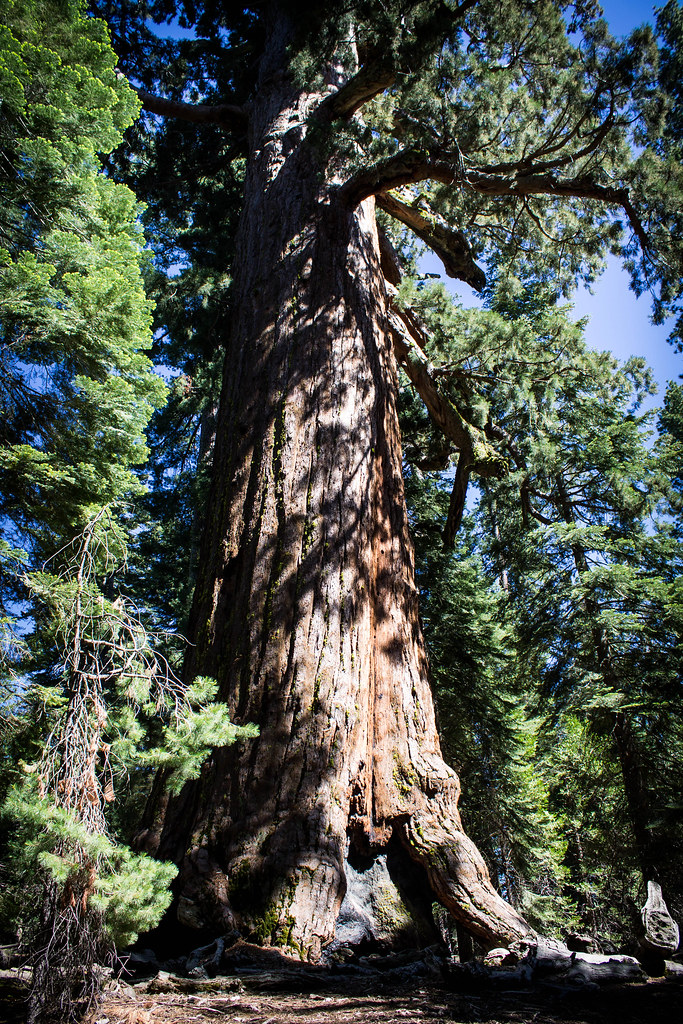
 
The bark of the largest trees is from one to two feet thick, rich cinnamon brown, purplish on young trees, forming magnificent masses of color with the underbrush. Toward the end of winter the trees are in bloom, while the snow is still eight or ten feet deep. The female flowers are about three-eighths of an inch long, pale green, and grow in countless thousands on the ends of sprays. The male are still more abundant, pale yellow, a fourth of an inch long and when the pollen is ripe they color the whole tree and dust the sir and the ground. The cones are bright grass-green in color, about two and a half inches long, one and a half wide, made up of thirty or forty strong, closely-packed, rhomboidal scales, with four to eight seeds at the base of each. The seeds are wonderfully small end light, being only from an eighth to a fourth of an inch long and wide, including a filmy surrounding wing, which causes them to glint and waver in falling and enables the wind to carry them considerable distances. Unless harvested by the squirrels, the cones discharge their seed and remain on the tree for many years. In fruitful seasons the trees are fairly laden. On two small branches one and a half and two inches in diameter I counted 480 cones. No other California conifer produces nearly so many seeds, except, perhaps, the other sequoia, the Redwood of the Coast Mountains. Millions are ripened annually by a single tree, and in a fruitful year the product of one of the northern groves would be enough to plant all the mountain ranges in the world.

 
As soon as any accident happens to the crown, such as being smashed off by lightning, the branches beneath the wound, no matter how situated, seem to be excited, like a colony of bees that have lost their queen, and become anxious to repair the damage. Limbs that have grown outward for centuries at right angles to the trunk begin to turn upward to assist in making a new crown, each speedily assuming the special form of true summits. Even in the case of mere stumps, burned half through, some mere ornamental tuft will try to go aloft and do its best as a leader in forming a new head. Groups of two or three are often found standing close together, the seeds from which they sprang having probably grown on ground cleared for their reception by the fall of a large tree of a former generation. They are called “loving couples,” “three graces,” etc. When these trees are young they are seen to stand twenty or thirty feet apart, by the time they are full-grown their trunks will touch and crowd against each other and in some cases even appear as one."


Mini Pocket Axe

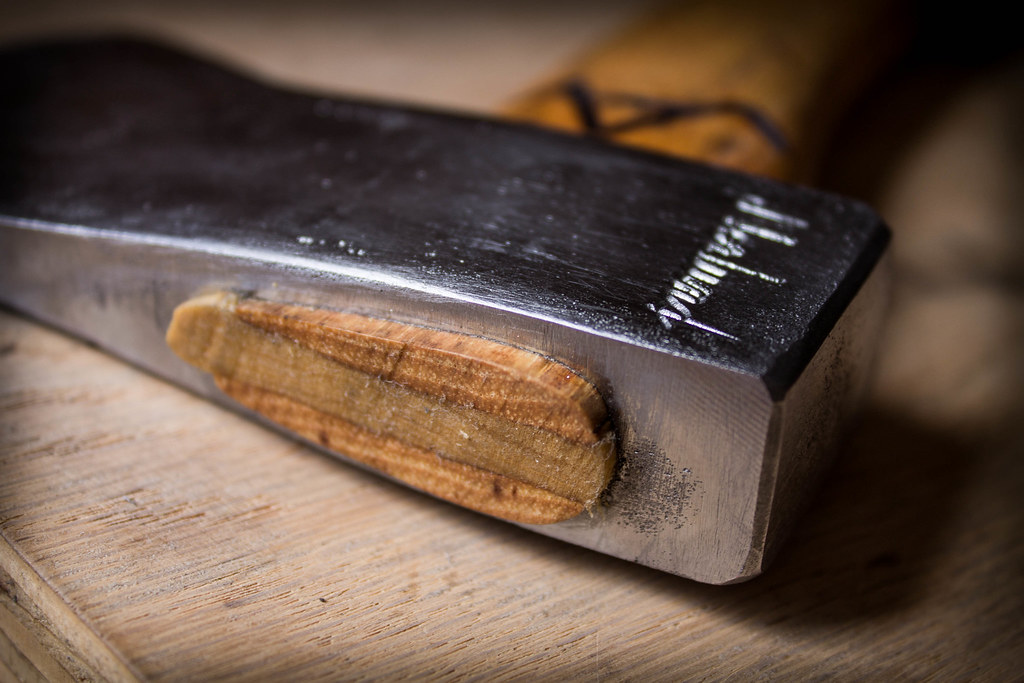
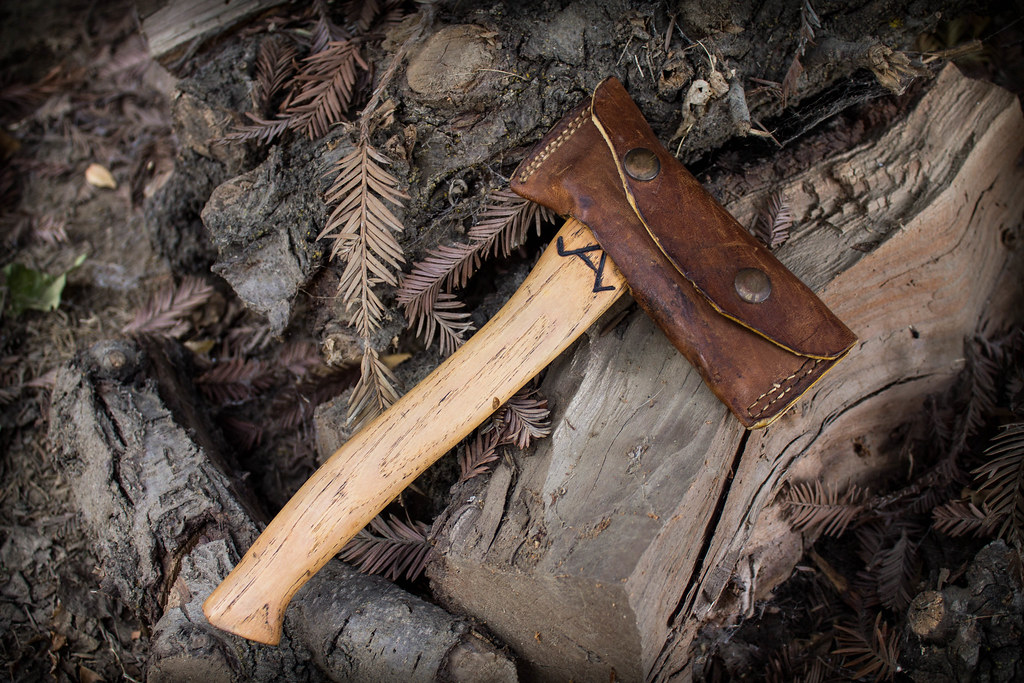
Picked up this mini Norlund Hatchet from a local antique store a while back.


A note said it used to be owned by some rancher named Archer. Well that rancher had taken about an inch off the lower end of the bit!

I kinda liked that though. He also made a useable belt sheath for it. And since I've been drooling over the Gransfors Bruks Mini for a while, I thought I would pick this up for a small fraction of the cost. Luckily I was able to rehaft the original handle which is thinned out nicely. So this one comes in at 1lb 1oz with a 10 1/2" handle and with a 2 1/8" bit. A little smaller than the GB.

Horace Kephart was a fan of the mini hatchet as well. In his masterpiece "Camping and Woodcraft" he has this to say:

"Among my most valued possessions is a tiny Colclesser tomahawk, of 8-ounce head and 2 1/2 inch bit, which, with hickory handle and home-made sheath, weighs only three-quarters of a pound. I seldom go anywhere in the woods (unless in marching order with a heavier axe) without this little trick. It is all that is needed to put up a satisfactory shelter wherever there is hemlock or balsam, or bark that will peel, while for other service I use it oftener than I do my jackknife."


Thursday, June 13, 2013

The Sierra Monsoon


Crackling grasses outside the shade of the live oaks.
Not with flame, but you can hear it sizzle in the hot breeze.
Already dry, but now moving towards the dust under foot.
Standing upright, but drooping when pushed.
Parched fibers bursting the heart within.
Quickly waiting with anticipation but only to fall short.
Just cooking in the hot breath as the summer days roll on.
Eventually to give in and lay over.
The lucky ones get to send off their young to jab through fur and socks.

The vapors overhead gathering high.
Frying in the sky's blue skillet like bacon.
Sizzling and crackling into wisps then gone.
Much too hot to form rain.
Gathering from the east, but not over the plains.

Great anvils of white with gray undertones rise from the depths of the desert.
To gather on the ridges and high passes.
Building higher until relinquishing to the hammer's blow.
Only to shift and rise again beyond the blacksmith's keen eye for a moment.
Filling the sky like the frothing of a giant seashore.
Waves breaking on the beach reaching to greet them.
Then spreading out on the sand with a slow roll.
Water flowing uphill in wide swaths.
Until gravity pulls them back.

Underneath, the clams know what is next.
Sudden piercing like daggers to the heart crackle on the electric air.
Molecules of friction entering unannounced.
Darkness shown in the shadows of hills and creases.
The dry grasses shimmer in the blinding light of the frustration that builds.
White with the rage of a hundred lives crushed at once.
Roadrunners and hares scurry for cover, as the shouting continues.
A rain of shame and blame forces itself upon the dust.
Water split apart with brute strength.

The wind slowly dies down.
The rain is left all alone to begin the healing.
The clouds begin to slowly scatter ashamed for their gathering.
But the darkness stays.
Along with the grasses, to live another day.

The monsoon season is upon us.
Storms from the south to cause heartache.
Just enough to bring grief which luckily can be healed.
Some grasses singed at the fringes from the beating.
But they will be back with their green shine again with time.
To blow in the cool breeze.
And to have sunlight bathe them with warmth.
To expose their inner structure to their shadows.

Saturday, June 1, 2013

My First Hatchet Hafting

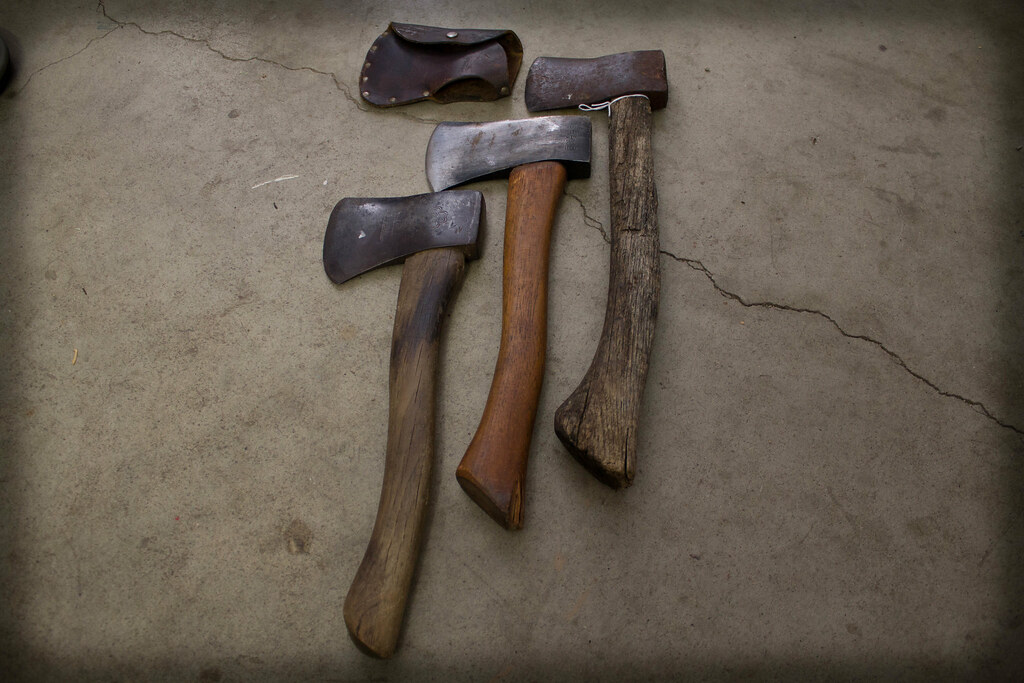
Last fall I picked up a few hatchets from a local antique store. The one on the far right in the picture would be my first adventure into axe refurbishing and restoration. I chose it because it was the rustiest head and the handle was the junkiest out of my collection. So I wanted a challenge. Now there's 1001 ways to do this, but this is the path I chose. Big thanks to all the axeperts for showin' the ways.

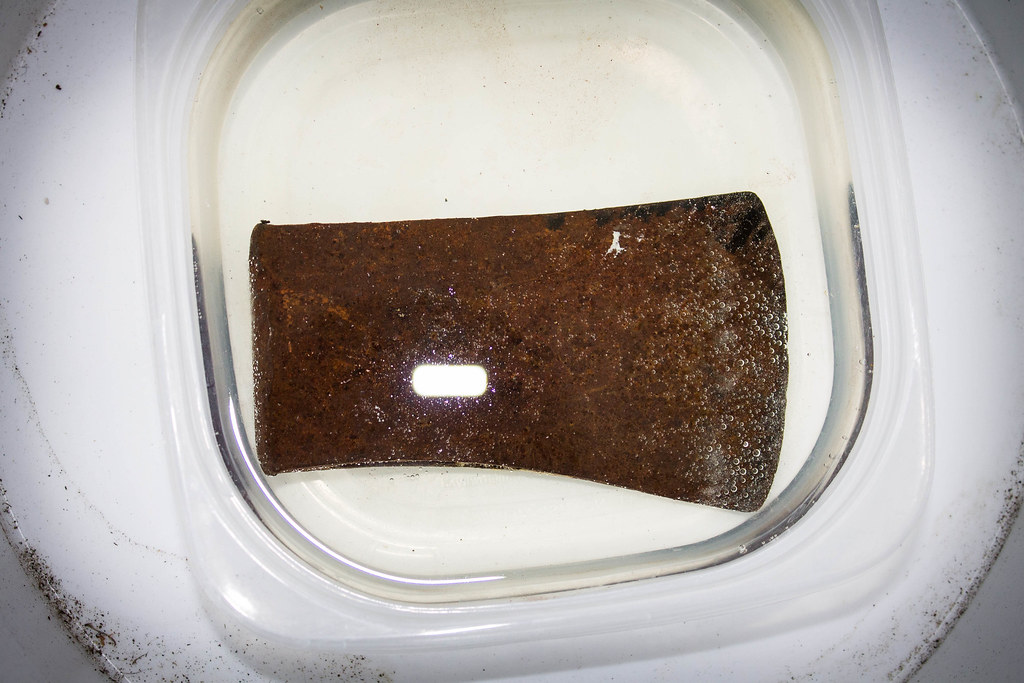
So first up was to remove that junky handle and toss it. I had picked up a link handle for this job. For the next step I soaked the head in white vinegar for a day and eventually gave it an apple cider vinegar soak for about 3 more days.

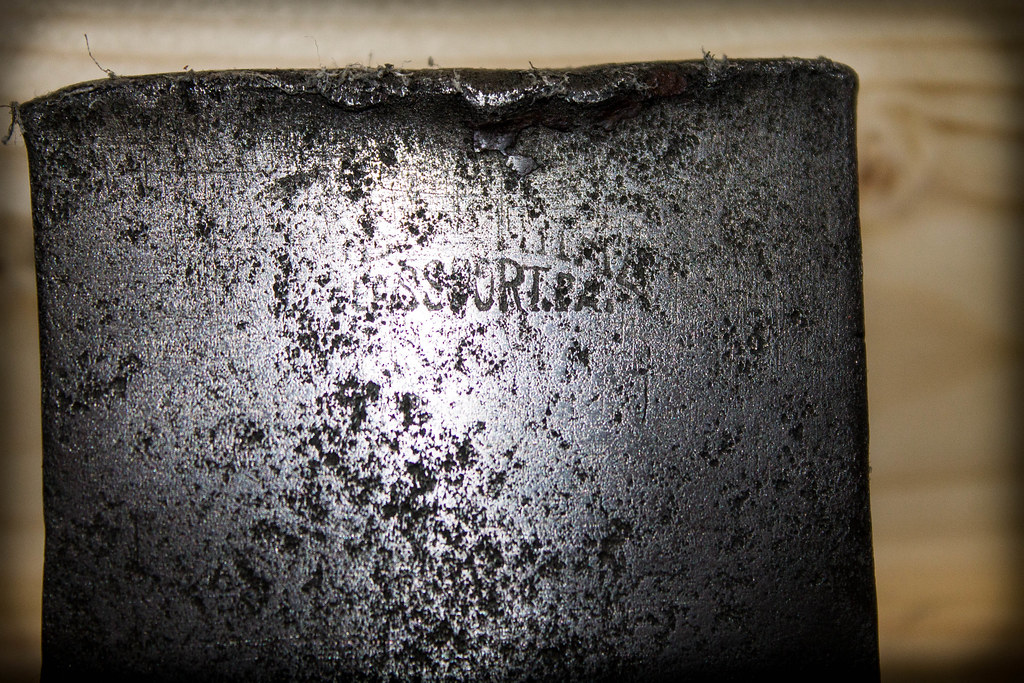
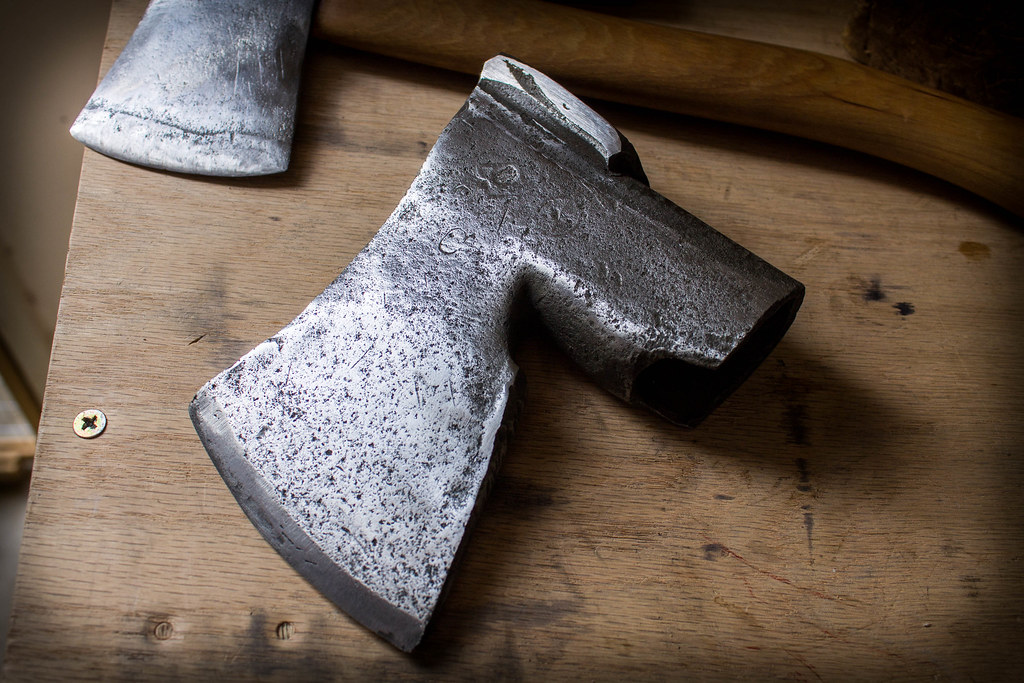
After the soak, a little scotchbrite rub to get the rust off revealed a partial makers mark stamping. To my great surprise, it turned out to be an American Axe and Tool Co. Americanaxe manufactured in Glassport, PA! Probably forged in the 19-teens, and no later than 1921. Needless to say I was thrilled!


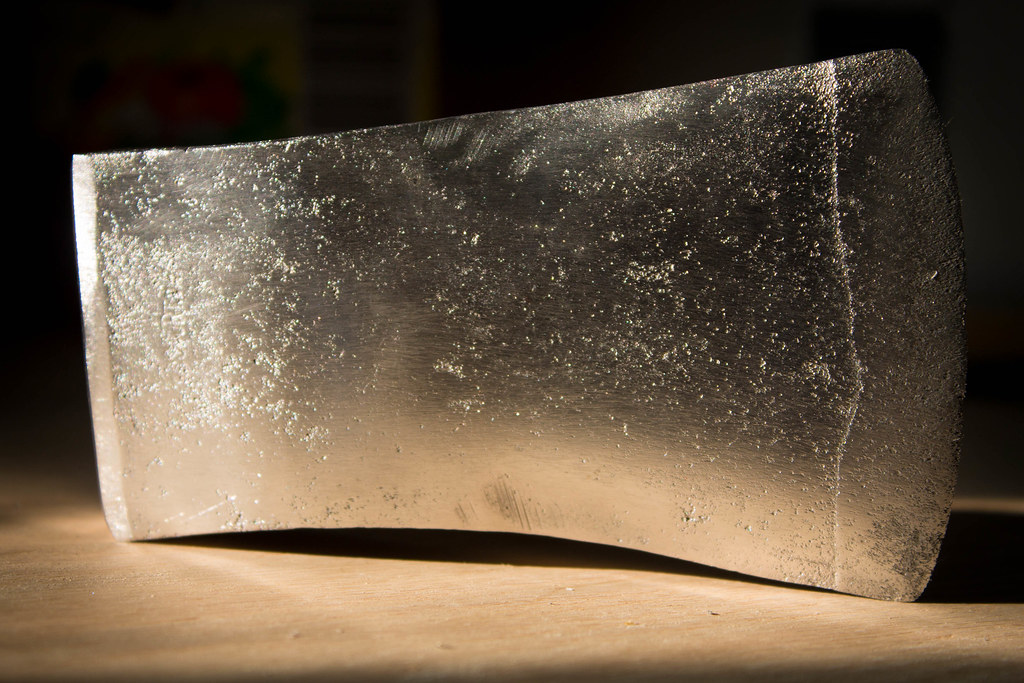
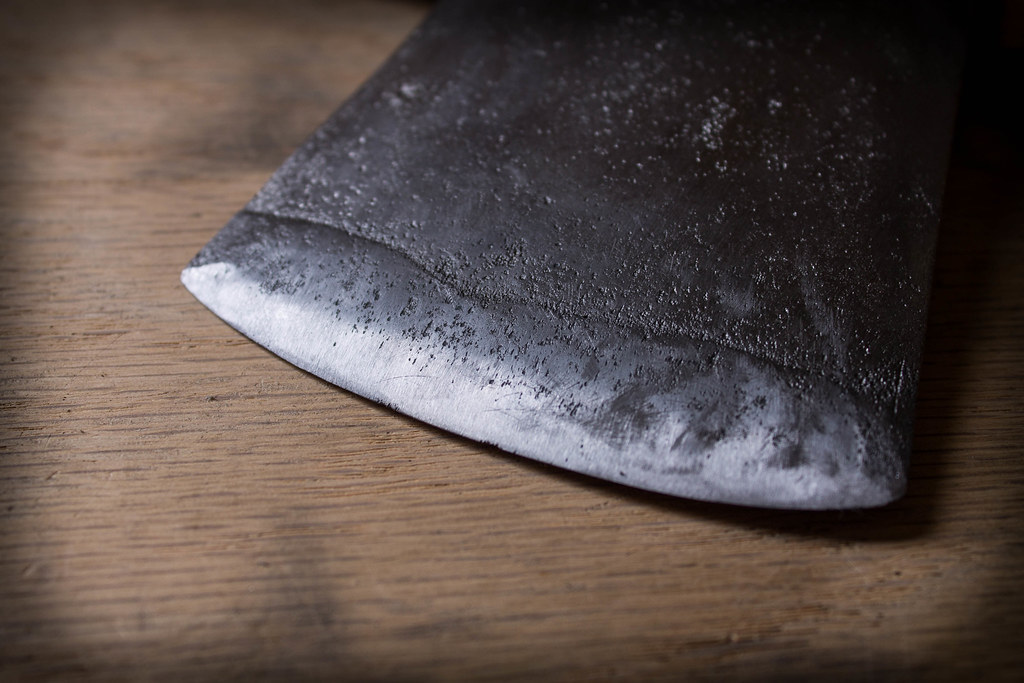
I continued the cleanup with flap wheel and wire brush wheel drill attachments. That wire brush wheel really shined up the metal. The head was pretty pitted out from the rust, but very tiny pits. So pitted in fact that after cleaning it up, the tempering line is easily seen.

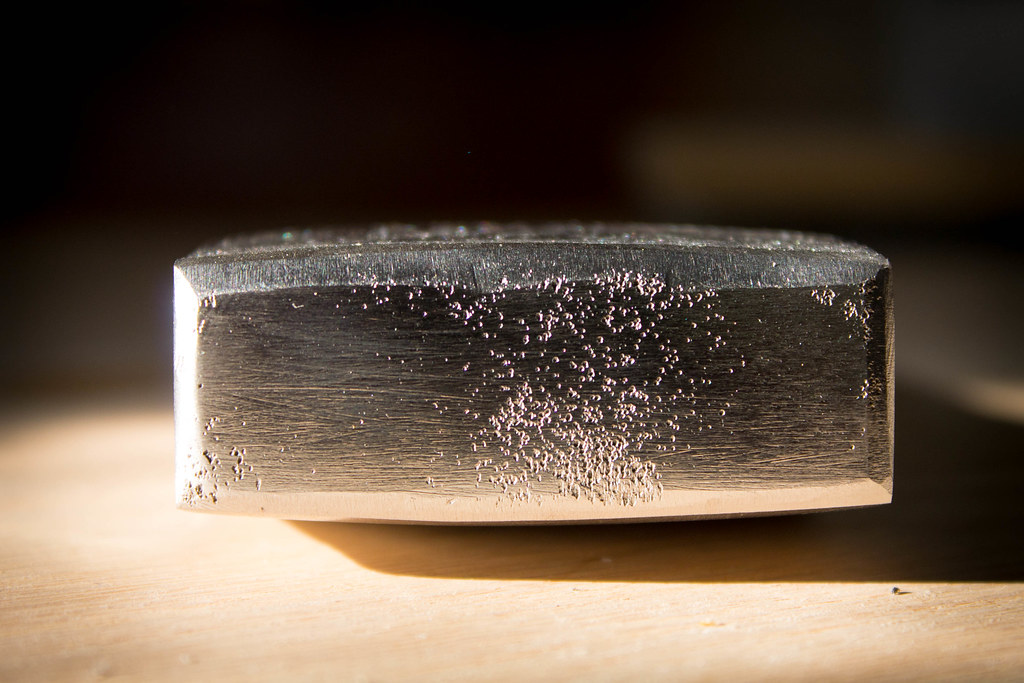
Shaped up the mushroomed poll with a file.


The new Link handle I picked up at the local hardware store was covered in a thick laquer. So after sanding all that off, I gave it a quick rub down coating of tung oil. Four coats is what this one called for.

So this morning I finally decided to finish this thing. First had to fit the head to the handle. Did a little shaping and rasping with a four-in-hand.


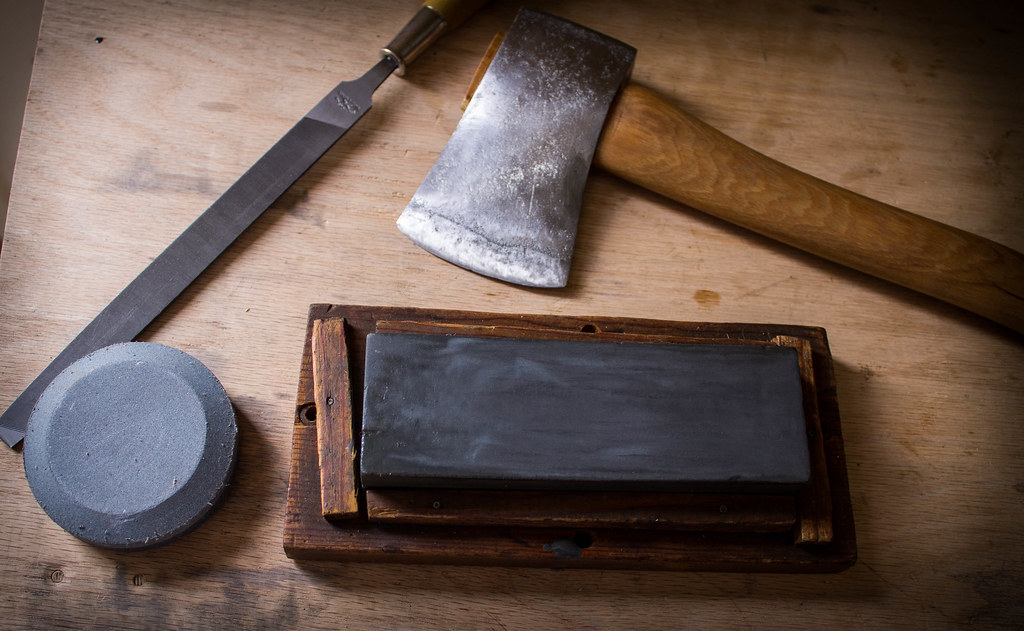
Sharpened the bit. Started with a Lansky Puck followed by an old sharpening stone. Wasn't doing much so I got out the file. I'll start with the file next time. So filed, then back to the puck, and again with the stone until I was satisfied.


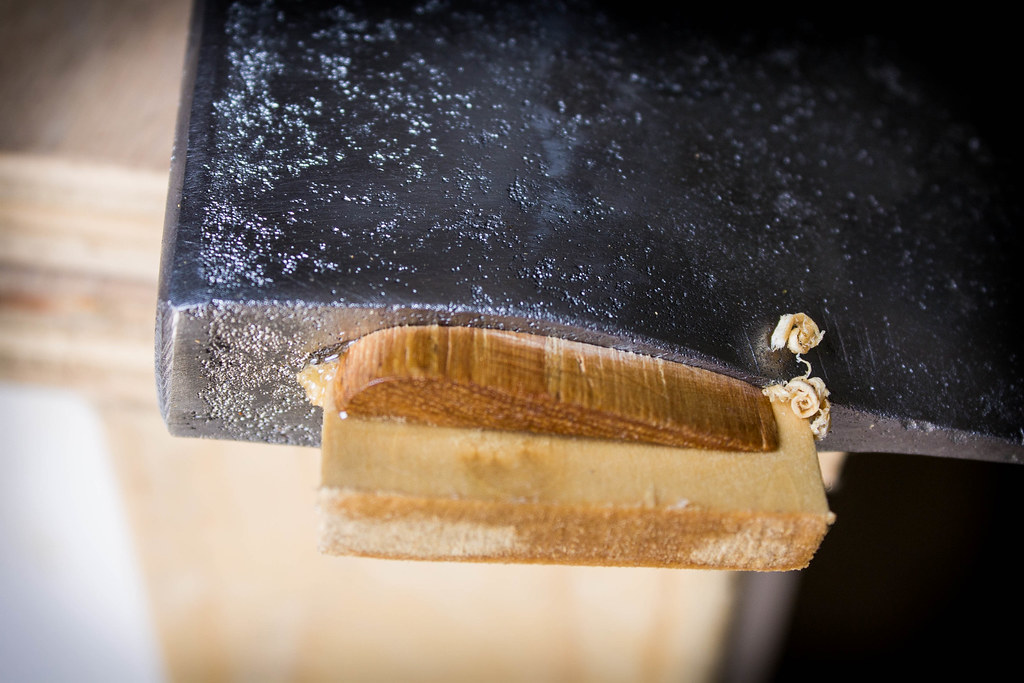
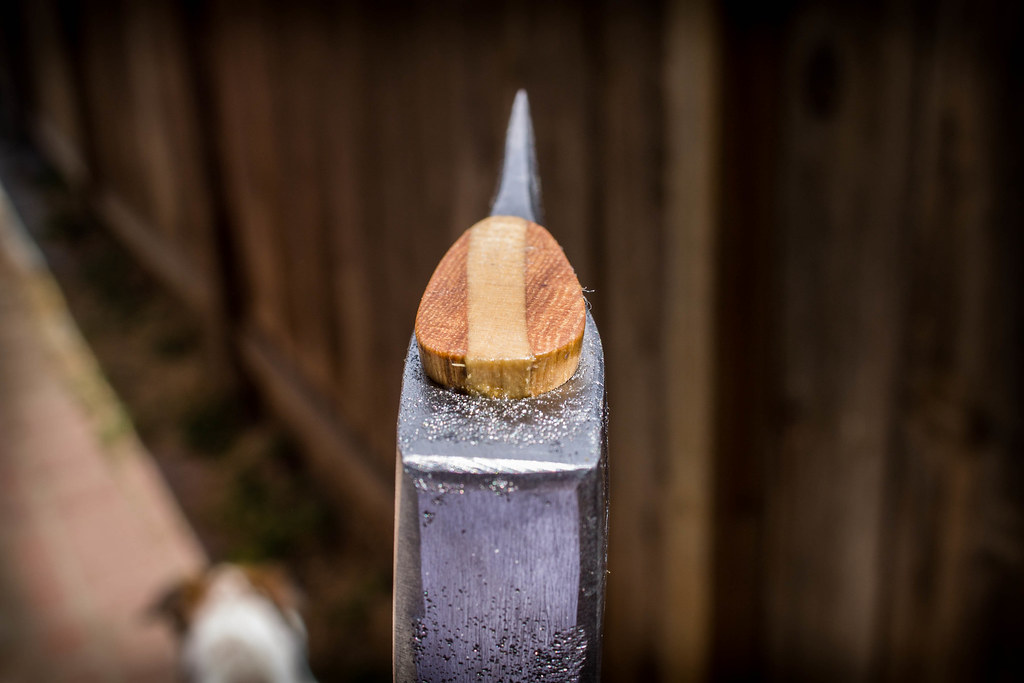
Seated the head on the new helve. Did a little sanding on the wedge. Oiled it up and hammered it in.


Not perfect alignment of the handle with the head, but I'm happy with the mushrooming of the haft over the top of the eye.


No metal wedges here. All ya have to do is swell your wood. Heh heh

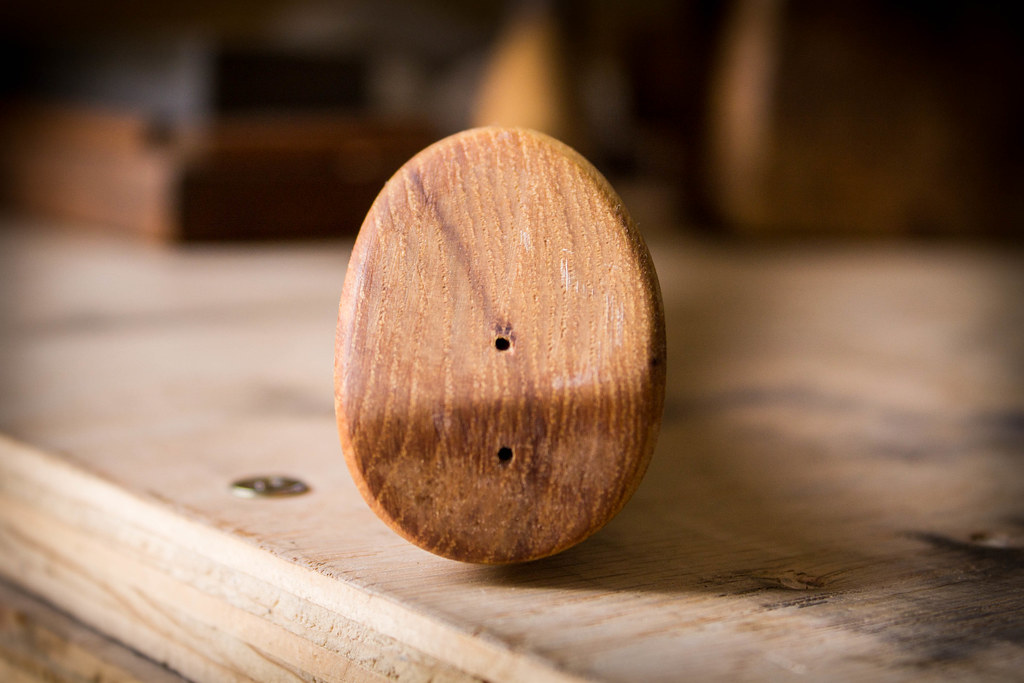
Nice grain alignment in the handle.


Still working on this Finnish bad boy. It's gonna take a lot of work.


Almost finished product. Just gotta soak the head in oil for a few days to swell the fibers tight.

14" overall length. 1 lb 9 oz overall weight, with a 3 " bit.

The Americanaxe hatchet.

Monday, May 27, 2013

Morning Riverside Reflections


Awoke from the camp before most others today.
An odd camp of sorts.
Not your typical one, but a grand camp none the less.

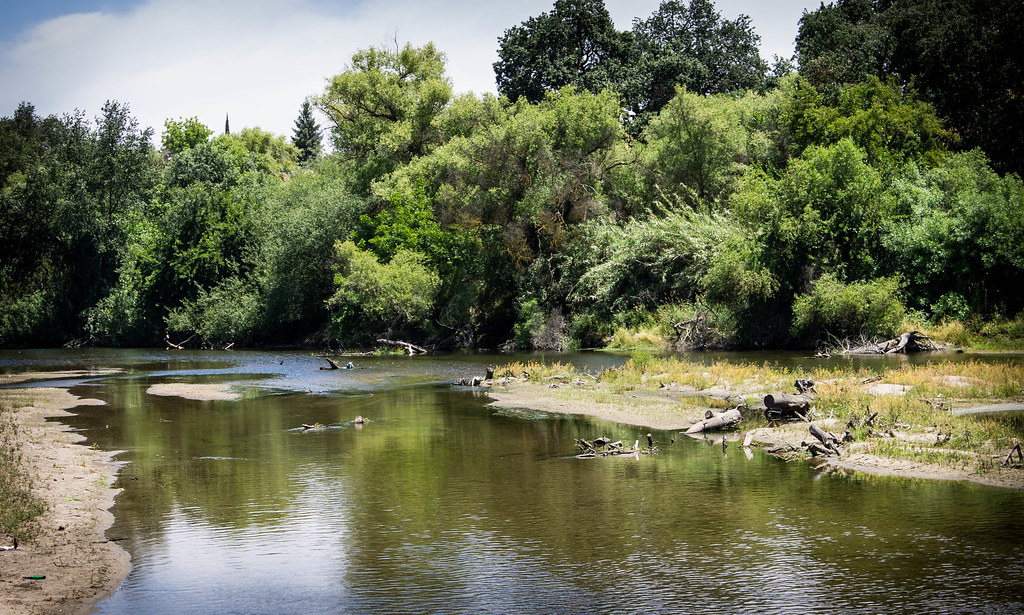
Sat down on the rocks on the bank of the Kings to bask in the morning sun.
It is a good thing to sit in t-shirt, shorts, and sandals amongst the dust and leaves with a good breeze to keep things clean.
The winds of an oncoming front which sometimes make their appearance around Memorial Day.

Flow is low this time this year.
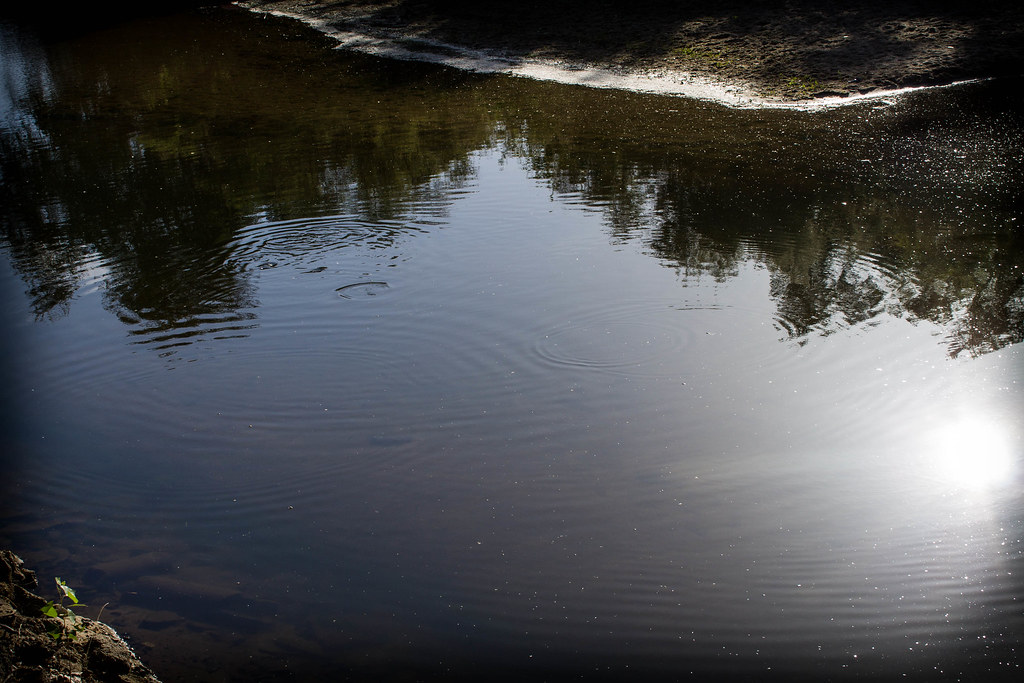
Fish jumping in front of me like a spring bubbling up to break the glassy surface.
And me without a pole.

Sun blinding off the water.
Much too bright for first thing in the morning, but the cool air keeping me there.
Where's my coffee and kuksa?
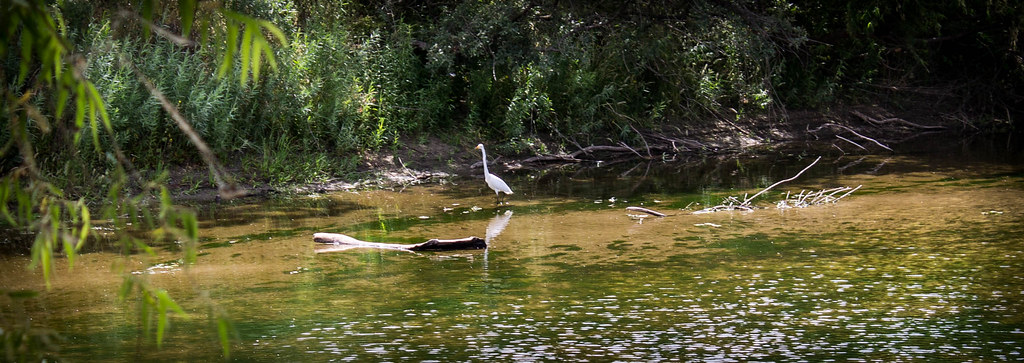
Watching the morning feast on the water.
Egrets enjoying theirs too.

Met up with a man last week who makes and sells his own lures.
Met a man yesterday who spent the better part of the first 23 years of his life in Minnesota.
Talked with him of the Boundary Waters and the walleye and the pike.
Talked with another at the same table from Tahoe who seeked out the walleye and kokanee of the deep.
It's good to talk with the fisherman and those which seek the waters' reflections.

A cousin's wedding among the vineyards of Northern California brought the family together two nights ago.
A grand and glorious sight to be seen in it's own right.
There I spoke with another cousin who in the past has talked at much length of casting flys upon Putah Creek.
His three boys of almost six years.
My sister's boy of four and girl of five.
My girl of four, and other young ones from three to twelve of family and friends'.
I do believe it is time to bring them into the fisherman's world.

Time for the planning and gatherings of the fish camp.
Time to enter new worlds together and new beginnings.
Time to flow towards what is simple and pleasant on the banks of waters.
Time for reflections.

Not just from blinding suns and flashing tails, but those of remembrance and sacrifice.
Time to give thanks for all those that made these moments possible.
Time to remember those on this Memorial Day.


Friday, May 17, 2013

Simple Life On The Snoqualmie

Glowing colors of the trout
as it lays motionless on the rocks.
Large river gravel of glacier remains.
Round and flat stones polished smooth
from the eons of snowmelt and springs.

Dark forests with overcast and ominous clouds
with fire light off the pinks and golds
and oranges and silvers shimmering off the scales.
Eyes open.
Mouth slightly like a breathing creature that isn't.

Glow coming from the riverside fire with
coffee pot and fry pan waiting to show off.
Cast iron and oil.
Wood and water.
Canvas and leather.
Fire and stones.
Coffee and smoke.
Seasonings and salt.
Potatoes and onions.
Pine and fish and the rain holding off.

Slight breeze cools my face,
but warm under wool and in the soul.

The joys of relaxation.
Work to be and already done.
North America.
The New World.
Simple pleasures.
Colors and textures delighting on the riverside.

Friday, May 3, 2013

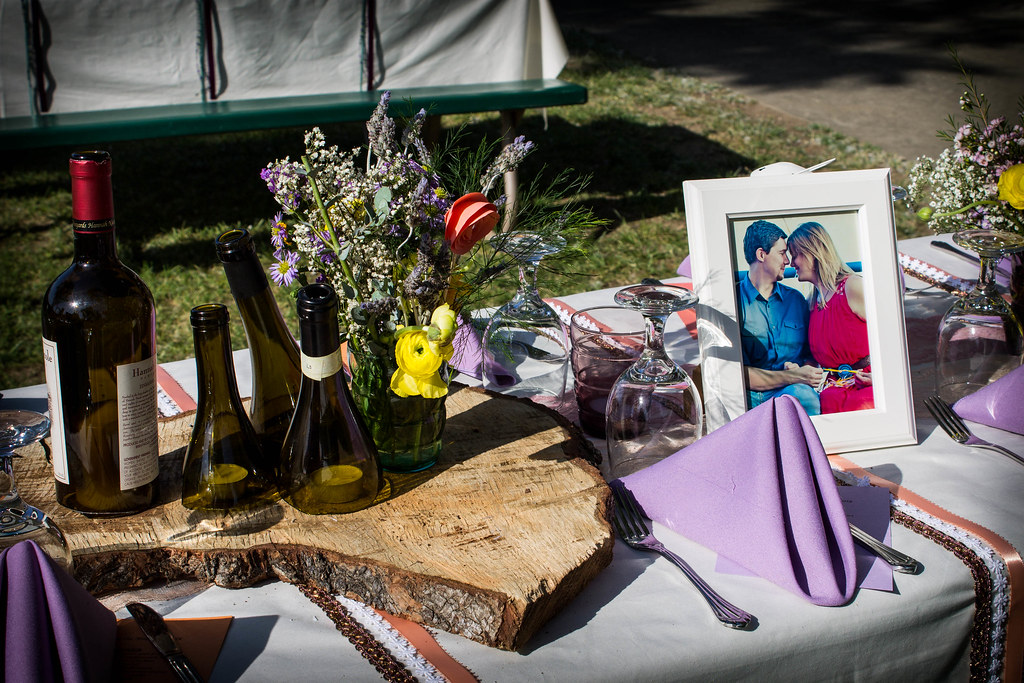
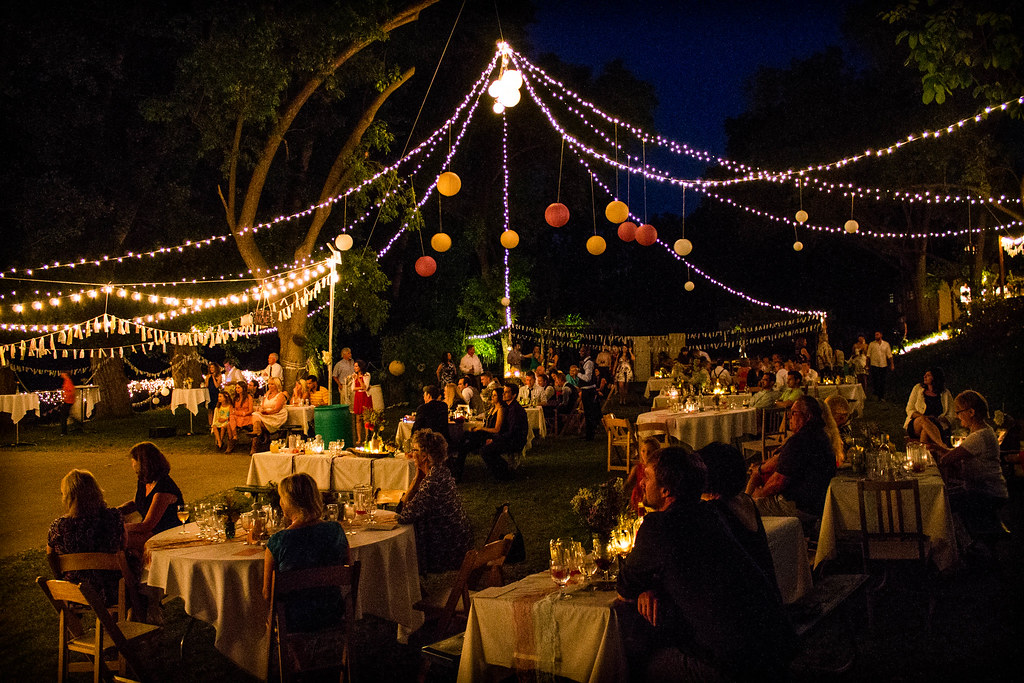
Wedding On The Riverside

A marriage celebration on the banks of the Kings.

Hard to find anything wrong with that.

Joining the campers in the early afternoon.

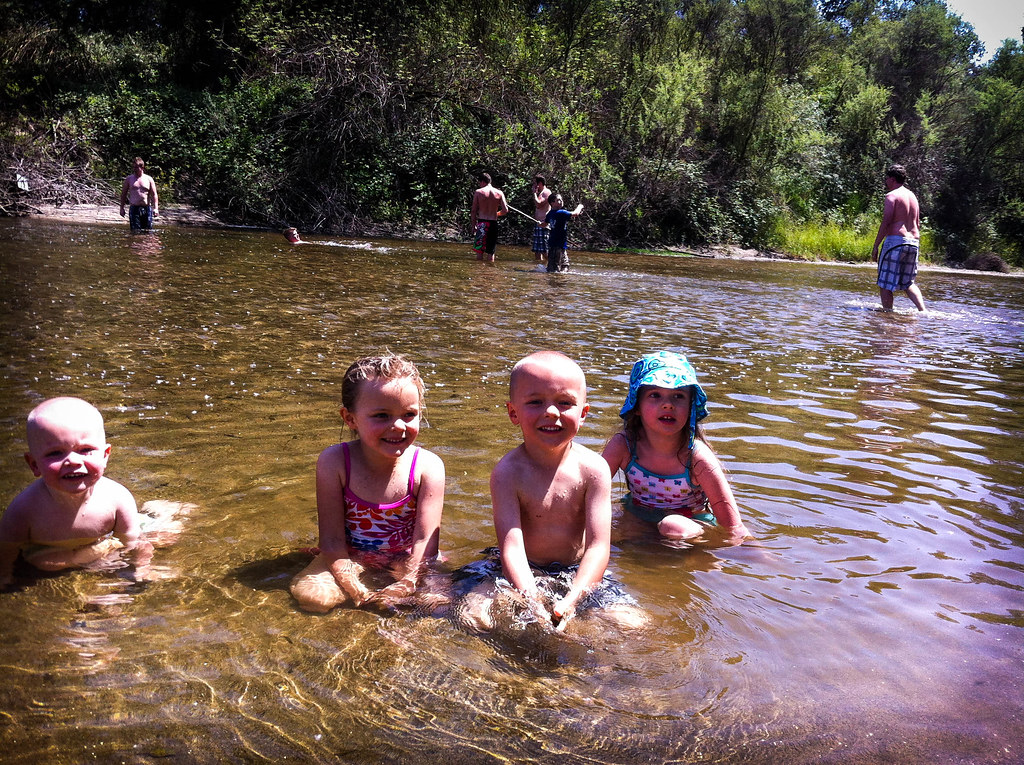
Children enjoying the shallow splashing in the sand.

Coffee and shade by the water's edge.

Bright sunlight reflecting off the cottonwood falling like shimmering snow upon the water showing the slow creeping currents.

Warm hearts drift slowly on the breeze.

Gals getting dolled up while last minute saunas and showers are had at a rush.

Gatherings and embraces.

Stories and laughter.

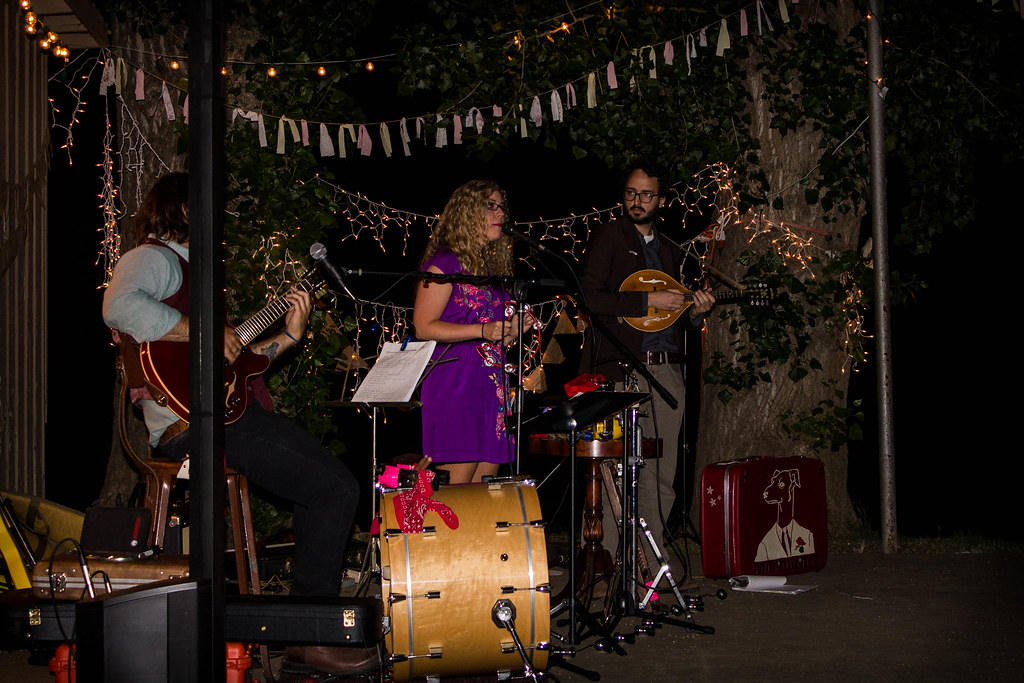
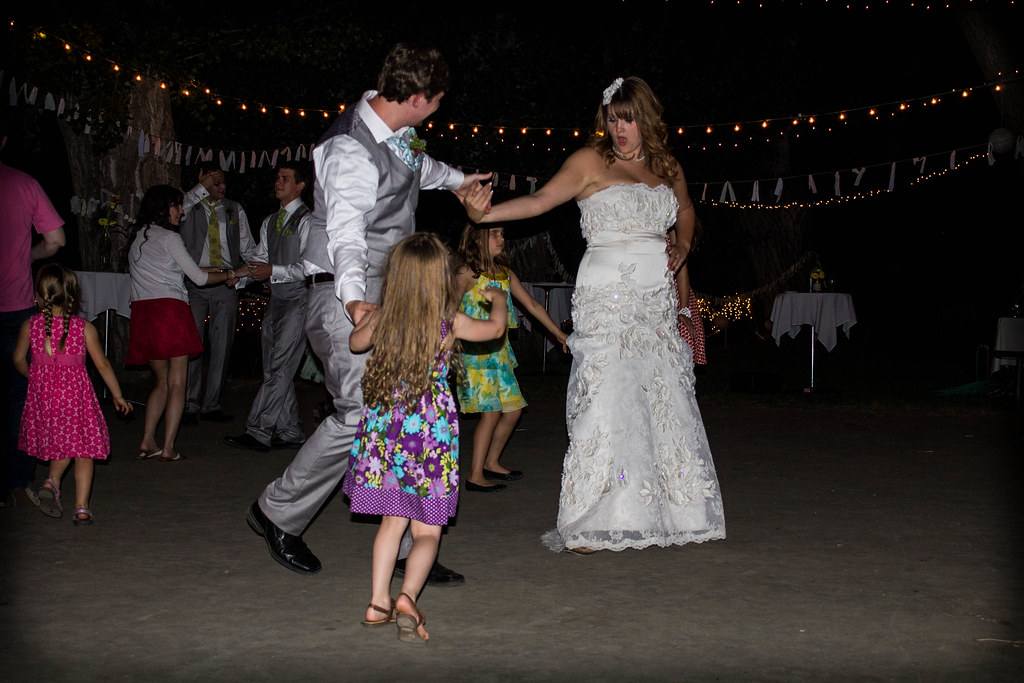
Music and dancing and late night saunas while the children sleep soundly in their tents.

Better get to the bar the Queen says with a growl, or off with your head!


So Cheers to Alicia and Bobby.

Cheers to a long happy life together.

And to many lazy days by a river fit for gracious royalty.